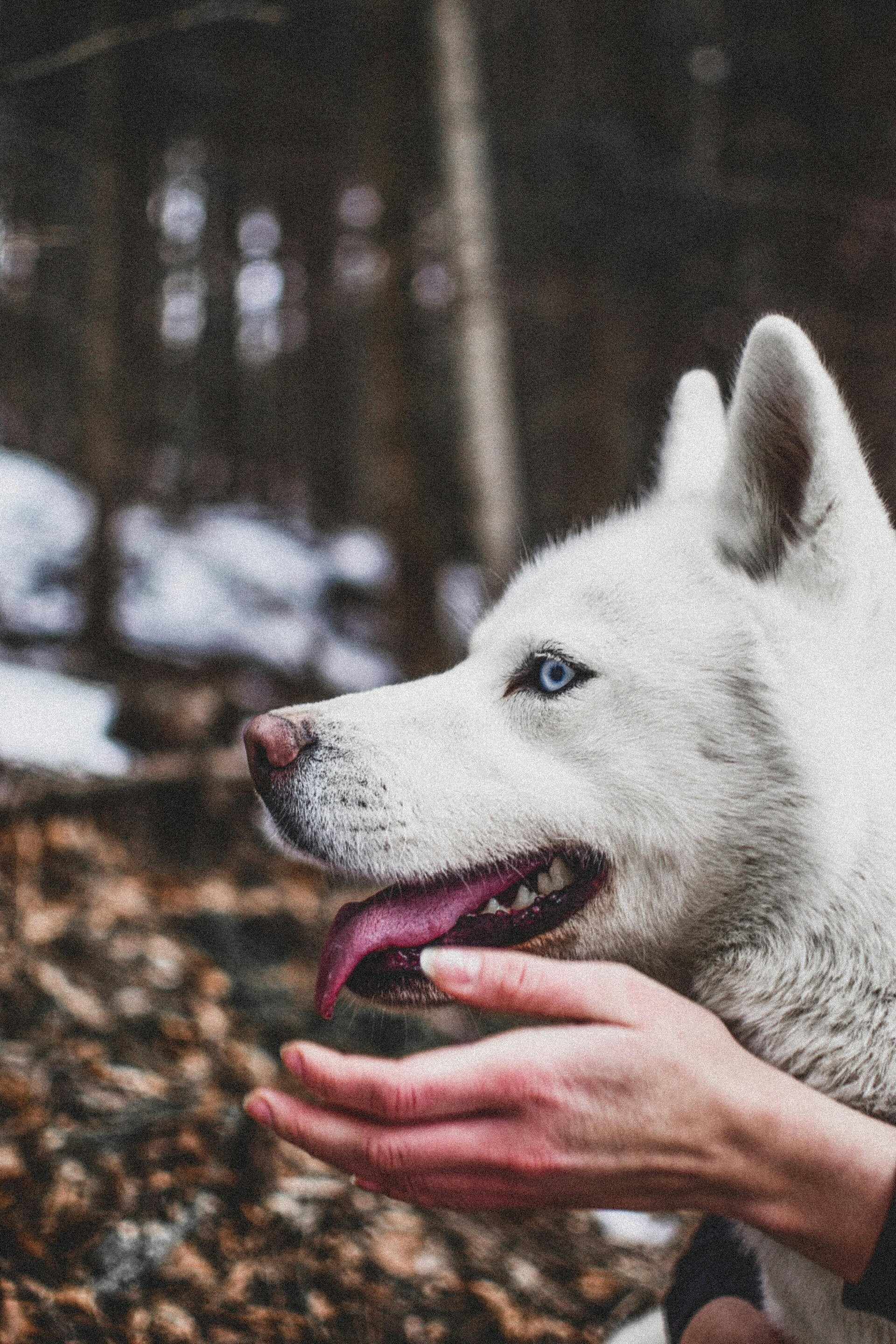
The Hand Touch: The Exercise Everyone Thinks Is Boring… Until It Saves Their Dog Training
Every new dog training class starts the same way.
New handlers arrive with excited dogs, treat pouches full, leads ready and dreams of leaving the class with a dog that looks like it belongs in a slick training video.
They’re imagining:
Perfect heelwork.
Lightning fast recalls.
Agility level responsiveness.
Possibly their dog becoming the next social media sensation.
And then I say it.
“Right everyone, today we’re going to start with… the hand touch.”
There is always a moment of silence.
You can practically hear the internal monologue around the room.
The hand… what?
I see the looks.
The polite nods.
The slightly forced enthusiasm.
The quiet suspicion that this might be the most boring thing they’ve ever paid money to learn.
Because let’s be honest.
Your dog touching your hand with their nose does not exactly scream advanced dog training wizardry. But here’s the truth that every trainer knows. The boring stuff is usually the stuff that works.
Dog Training Is Just Lego (But With More Drool)
Dog training isn’t one magical behaviour. It’s lots of tiny behaviours linked together. Think of it like Lego. One brick on its own is… a brick.
Not very exciting.
But when you start connecting those bricks, suddenly you have something impressive.
Dog training works the same way.
Each exercise is a link in a behaviour chain. If one link is weak, the chain wobbles. If one link is missing entirely, the chain breaks. That “perfect recall” you want? That fancy heelwork?
That agility start line stay?
All of those are just lots of little behaviours stitched together.
And the humble hand touch is one of those little links. A small one. But a very powerful one.
So What Is a Hand Touch?
The concept is beautifully simple.
You present your hand.
Your dog touches it with their nose.
You mark the moment.
You reward.
That’s it.
No drama. No jazz hands. No interpretive dance.
Just a nose boop.
But how you teach it matters.
How To Teach It
Step one: present your hand a few inches from your dog’s nose.
Most dogs will investigate because, well… dogs are curious creatures who live life via their nose.
The second the nose touches your hand…
Mark it.
You can use:
“YES!”
A clicker
Or another consistent marker word. (1word not a full conversation. See my blog on Markers)
Timing matters here. A lot. You’re marking the exact moment the dog’s nose hits your hand.
That clarity helps the dog understand precisely what behaviour earned the reward.
Then you pay the dog. Reward with something they love.
Repeat this a few times and suddenly something wonderful happens.
The dog stops accidentally touching your hand and starts actively seeking it out.
Congratulations.
You’ve just created your first tiny behaviour brick.
The Hidden Bonus: Handlers Learn Too
Here’s the sneaky thing about the hand touch. It isn’t just teaching the dog. It’s teaching the human.
Handlers quickly discover that timing matters.
Mark too late and the dog thinks you rewarded something else.
Mark too early and they’re confused.
The hand touch gives handlers dozens of quick learning opportunities to practise clean timing and clear communication.
Which means both ends of the lead improve.
Enter The Three D’s
Once your dog understands the exercise, we make it more useful by adding the famous Three D’s.
Distance:
Can your dog move a step to touch your hand?
Then two steps?
Then across the room?
Duration:
Can they hold contact for a moment instead of just drive-by booping?
Distraction:
Can they still do it when the world gets interesting?
Outside the house.
Near another dog.
When someone drops food.
When your dog suddenly remembers squirrels exist.
Gradually the behaviour becomes reliable anywhere.
And suddenly the “boring” exercise becomes incredibly powerful.
Real Life Moments Where Hand Touch Saves The Day
This is usually when the class starts to realise why we bothered with nose booping in week one.
Because the hand touch becomes a reset button.
Dog Fixating On Another Dog
Instead of dragging your dog away like you’re starting a lawn mower…
“Touch.”
The dog turns back to you.
Connection restored.
Moving Your Dog Without Wrestling Them
Need to guide your dog past something scary or exciting?
Use the hand touch as a target.
Your dog follows your hand willingly instead of being pulled.
Teamwork beats tug-of-war every time.
Cleaning Up Recalls
When your dog comes back and finishes with a hand touch, it gives the recall a clear end point.
Run → touch → reward.
Suddenly recalls look intentional rather than chaotic.
Helping Dogs In Overwhelming Environments
Busy parks.
Training competitions.
Vet waiting rooms.
A familiar exercise gives your dog something predictable to do.
It’s like giving them a little piece of calm when the world feels loud.
Why Trainers Love The “Boring” Stuff
Flashy behaviours get applause.
But foundations create reliability.
The dogs that look amazing later?
They’re usually the dogs whose handlers put the work into these tiny little exercises that didn’t look very exciting at the time.
Because fancy training isn’t built on tricks.
It’s built on foundations.
And the hand touch is one of those foundations.
The Moment It Clicks
Every course has a moment when a handler suddenly uses the hand touch in real life.
Maybe their dog locks onto another dog.
Maybe they need to guide their dog through a distraction.
Maybe their recall suddenly looks clean and confident.
And they turn around with that look.
The one that says:
“OH. That’s why we did this.”
Yes.
That’s why we started with the nose boop.
Because The Fancy Stuff Comes Later
Every brilliant behaviour is just a chain of smaller behaviours linked together.
And a chain is only as strong as its weakest link.
So yes. We start with the hand touch.
A simple exercise.
A tiny foundation.
A boring little nose boop.
That quietly turns into one of the most useful skills your dog will ever learn.
